We all have seen it on invitations, those two words at the bottom or somewhere in the corner, ‘DRESS CODE:-’. It is how you are expected to appear wherever you are going. ‘Casual’, ‘Business-casual’, ‘Black Tie’, ‘A touch of-’, the list goes on. And what you are going to be learning in this post is how to show up correctly to any event and own the room.
One of the clearest signs of a well-dressed man is not how expensive his clothes are, but how appropriate they are for the occasion. Dressing correctly for an event shows awareness, respect, and confidence. It tells people that you understand the room you’re stepping into and that you know how to present yourself within it.
Dress codes exist to remove confusion, yet they are often misunderstood. This guide breaks down the most common types of events and dress expectations, moving from the least formal to the most formal, while explaining not just what to wear, but why it works.
Whilst each of these dress codes deserve an article of their own, this would be your quick one-stop to learn the basics for each of the dress codes. So, what SHOULD you wear to that event?!
Casual
Casual events are informal by nature, but casual wear should never mean careless. Examples of these settings include; relaxed outings, informal meetups, or low-pressure social gatherings.
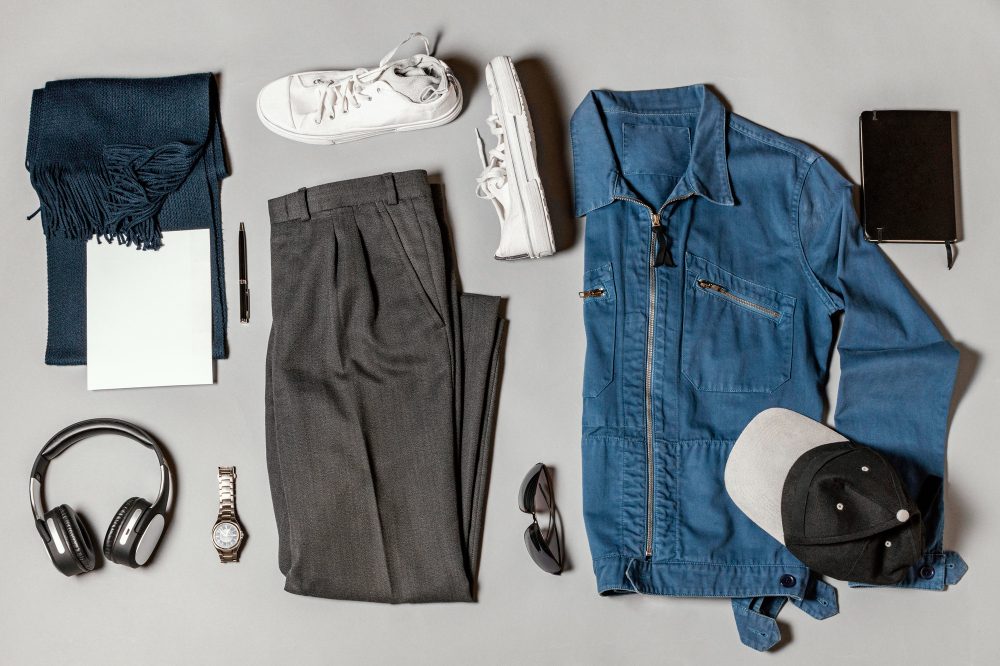
Dressing well in casual settings is about balance. Clothes should fit properly, look clean, and feel natural. You can wear an array of your presentable everyday outfits to these gatherings such as your jeans, chinos, a quality t-shirt, polo, or casual button-down shirt. Footwear should be clean and appropriate, sneakers, loafers, or sandals depending on context. These gatherings always allow for comfort.
Smart Casual
Smart casual is where many men begin to struggle, because it sits between relaxed and refined. These events often include casual dinners, informal dates, creative work environments, and social gatherings where appearance matters, but full formality is unnecessary.
Smart casual allows for more structure. When the dress code is smart casual, try to stay away from baggy outfits, ripped outfits, and lean towards clothes that sit well on your body. Shoes play a major role here loafers, derbies, or clean minimalist sneakers work well.
Business Casual
Business casual environments require professionalism without the strictness of a full suit. These settings include office spaces, meetings, conferences, and professional gatherings where credibility and competence are important.
In business casual dressing, fit and restraint matter most. Shirts should be well-pressed, trousers properly tailored, and colours kept refined. Jackets or blazers help anchor the look, even when a tie is not worn. Footwear should always lean formal, leather shoes are preferred.
Semi-Formal Events
Semi-formal events are often mistaken for Business casual, they are NOT the same thing, and if you stick around long enough, we will break this down in another article. Semi Formal events occur in the evening and include weddings, formal dinners, ceremonies, and special celebrations. These occasions require a noticeable step up in refinement.
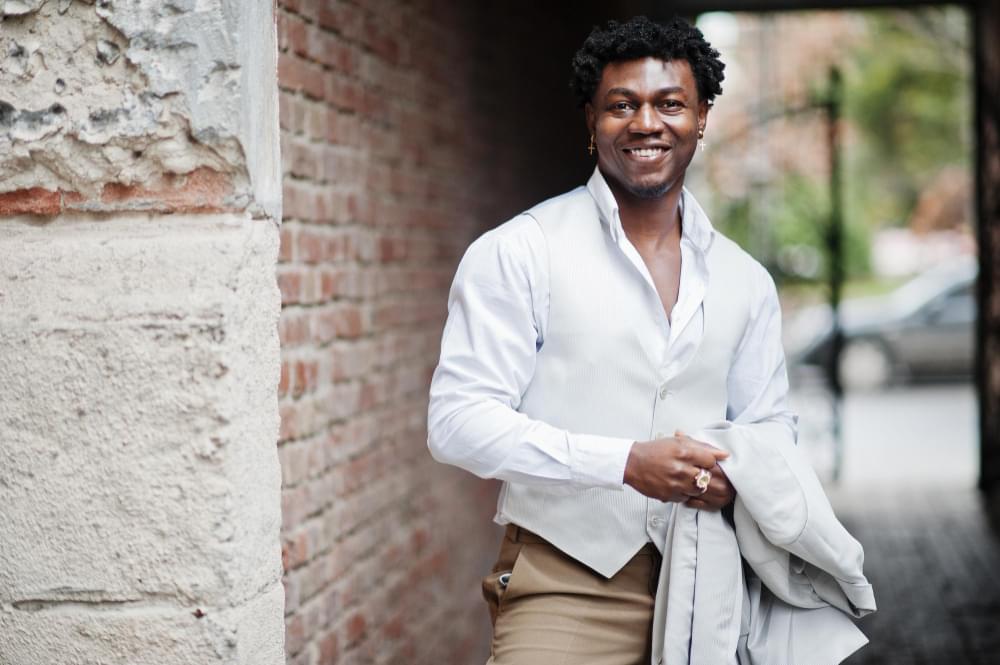
A suit is usually the safest and most appropriate option here. Colour, fabric, and fit become increasingly important. Darker shades often work best for evening events, while lighter tones may suit daytime occasions. Accessories such as ties, pocket squares, and watches should complement rather than dominate the outfit.
A variation of a Semi-Formal outfit/event is Cocktail event/attire. It is formal, stylish, and slightly expressive. It is common at evening receptions, upscale celebrations, and social events with a sophisticated atmosphere. This dress code allows subtle individuality and more flare to fashion choices.
Black Tie Events
Black tie is one of the most recognized formal dress codes in the world. It is structured, traditional, and precise. These events often take place in the evening and include galas, award ceremonies, and high-profile functions.
A proper tuxedo (not to be mistaken for a suit) is expected, paired with a formal shirt and bow tie. The details matter here, lapels, shoes, and finishing all contribute to the final impression. Black tie dressing is about respecting tradition and formality.
White Tie Events
White tie represents the highest level of formality. These events are very rare and often ceremonial, such as royal functions.
This dress code follows strict guidelines, leaving little room for interpretation. A tailcoat is a must, and should be worn open, along with a ‘U’ or ‘V’ shaped waistcoat, a bow tie, pleated pants with optional accessories such as gloves, top hat walking stick. White tie is not about personal style, it is about tradition, ceremony, and excellence.
Dressing Correctly Is a Skill
Understanding dress codes is not about memorizing rules, it’s about learning how to read context. The more a man understands where he is going and what is expected, the more confidently he can dress.
At Tradsense Apparels, we believe dressing well is a form of intelligence. When you know how to dress for every event, you don’t just look better you move through life with greater ease and confidence.
Because style is not about trends. It’s about showing up correctly.
So the next time you are going somewhere, don’t just rush to pick an outfit, understand the kind of setting you are about to step into, the way you want to be perceived and then pick an outfit that suits the occasion
Tradsense Apparels
Where craftsmanship meets confidence.